
Too Many Options, Not Enough Time at the Table
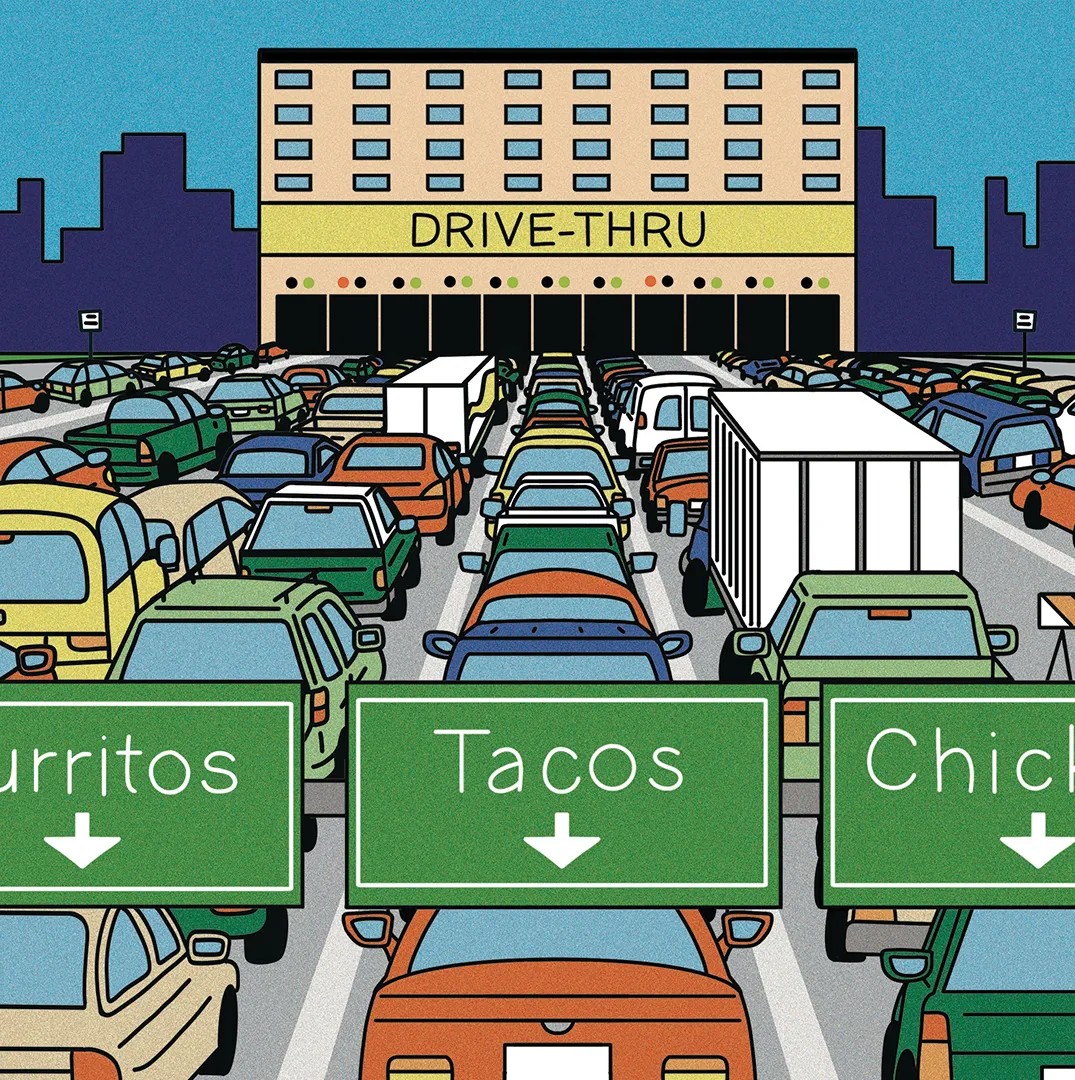
A traveler with three days in Salt Lake City and a list of restaurants pulled from random searches is bound to eat at least one mediocre meal, and that’s a real cost when vacation time is limited and every dinner matters. The city has grown into a genuine food destination, but that growth has made the landscape harder to read from the outside. Chain restaurants sit beside decades-old family kitchens on the same review pages, often with similar star ratings and nearly identical photos of tacos and enchiladas. Without some sense of what separates the two, visitors end up choosing based on whichever listing loaded first.
The stakes go beyond a single bad dinner. Food is often the thing people remember most clearly about a trip, more than the hike or the museum, and a string of forgettable meals can color the entire visit. Salt Lake City sits in a valley with a surprisingly deep Mexican food history, shaped by generations of families who settled there and opened restaurants that still operate today. Missing that history because of a rushed search means missing one of the more interesting threads of the local culture, not just a meal.
Reading a Menu Like a Local Instead of a Tourist
The better approach starts with understanding that Mexican food in this city isn’t a single tradition but a layered one, built by cooks from different regions of Mexico who each brought their own techniques and family recipes. Some kitchens lean toward Sonoran-style dishes with flour tortillas and beef, while others reflect central Mexican cooking with deeper mole sauces and slow-braised meats. Knowing that distinction changes how a visitor reads a menu, because it explains why two restaurants a mile apart can taste nothing alike despite both being labeled simply as Mexican food.
This is where long-running establishments earn their reputation, and it’s worth looking past flashy marketing toward places with real staying power in the community. Red Iguana has been serving the city for decades and is frequently the first name that comes up when locals talk about Mexican food in Salt Lake City, largely because of its mole sauces, which the kitchen has refined over generations rather than treating as an afterthought. A visitor who tries even one of those mole varieties gets a clearer picture of what the regional cooking is capable of than they would from a dozen generic taco plates elsewhere.
Once a traveler has that anchor, it becomes easier to branch out with confidence. Smaller taquerias, food trucks, and newer restaurants start to make more sense when there’s a benchmark for what well-made mole, properly seasoned rice, or a balanced salsa should taste like. The city rewards that kind of exploration, since many of its best meals come from places without much online presence at all, run by families who rely on word of mouth rather than advertising.
Signs Worth Trusting When You Walk Through the Door
Judging a restaurant from the outside gets easier once a traveler knows which details actually matter. A kitchen that makes its own tortillas in-house, rather than buying them pre-packaged, usually signals a broader commitment to doing things the harder, slower way throughout the rest of the menu. Salsas made fresh in small batches, with visible variation from day to day, tend to come from kitchens paying attention rather than running on autopilot. These small details add up to a real read on how seriously a place treats its food.
Crowds matter too, though not in the way most people assume. A restaurant packed with families speaking Spanish at nearly every table is often a better signal than one filled exclusively with visitors working from the same three travel blogs. That isn’t a hard rule, since plenty of excellent restaurants draw a mixed crowd, but it’s a useful tiebreaker when deciding between two unfamiliar options on a busy night. Staff willing to explain unfamiliar dishes, rather than steering everyone toward the same three menu items, are usually proud of a wider range of their cooking than a shortened tourist menu would suggest.
Price can be a misleading indicator in either direction, since some of the most memorable meals in the city come from modest storefronts with plastic tables, while a few higher-end spots lean more on atmosphere than on what actually arrives at the table. The more reliable approach is asking locals directly, whether that’s a hotel employee, a bartender, or someone in line at a coffee shop, since the answer often points toward a neighborhood spot that never shows up on broader review sites. Over a few days of eating this way, a visitor builds a far more accurate map of the city’s food than any single list could have provided.
