
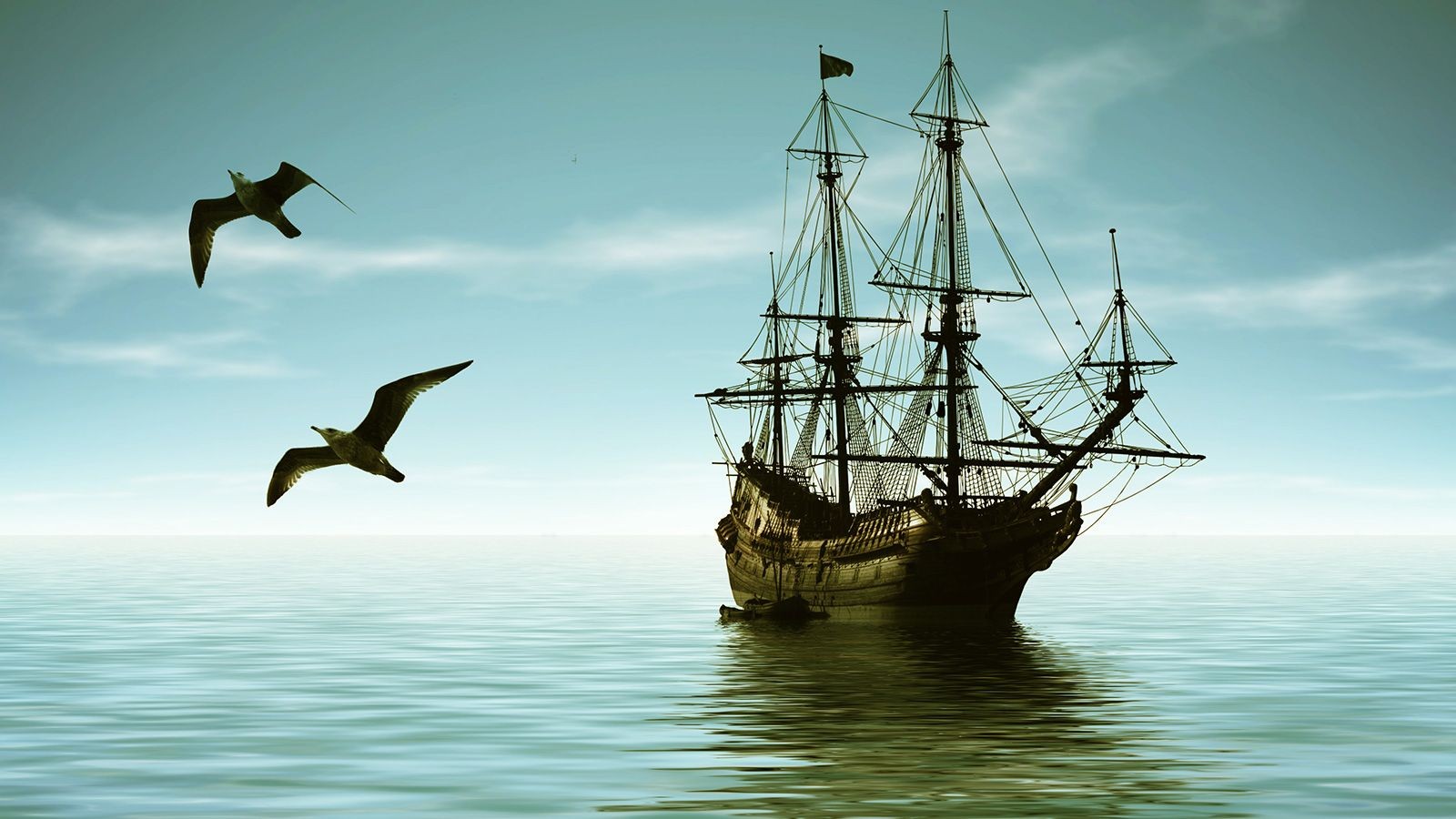
Pirates have fascinated travelers for centuries, and few places are as closely tied to them as the Caribbean. Hidden coves, shallow bays, and busy trade routes once made these islands a perfect hunting ground for sailors who lived outside the law. Today, many of the same harbors welcome visitors with forts, museums, and stories that are as colorful as any movie.
Because several historic pirate haunts are regular ports of call on Caribbean cruises, it is easy to follow the legends from island to island. Here is a look at the real history behind the myths and where you can still feel it.
The Golden Age of Piracy
The most famous period of Caribbean piracy ran roughly from the late 1600s to the 1720s. Spanish ships carrying silver and gold from the Americas crossed these waters, and other European powers competed for control of the islands. In this unsettled setting, privateers, who held official permission to attack enemy ships, and outright pirates thrived.
The reality was less glamorous than the movies. Most pirates lived hard, short lives, and many ships operated under surprisingly democratic rules, with crews voting on decisions and sharing the loot by agreed shares.
Nassau, Bahamas: The Pirate Republic
Nassau was a base for pirates in the early 1700s, and the period is sometimes called the Republic of Pirates. Famous names such as Blackbeard are linked to the area.
- Fort Charlotte and Fort Fincastle:Historic forts that overlook the harbor.
- Pirates of Nassau Museum:A hands-on look at the era, with exhibits and recreated ship scenes.
- Old streets:Walks through the historic center reveal colonial buildings and stories of the time.
Port Royal, Jamaica: The Wickedest City
In the 1600s, Port Royal was a bustling English port and a base for privateers, including the famous Henry Morgan. It was said to be one of the richest and rowdiest towns in the Caribbean. In 1692, a powerful earthquake destroyed much of the town and sent part of it into the sea.
- Fort Charles:One of the oldest surviving structures, with a small museum.
- Underwater ruins:The sunken portion of the old town remains a subject of historical research.
- The Giddy House:A tilted building, shifted by an earthquake, that is a favorite photo stop.
Tortuga, Haiti: The Legendary Hideout
The island of Tortuga was an early base for buccaneers, who hunted wild game, smoked meat, and later turned to raiding ships. It remains a name that stirs the imagination, though visiting is less common today.
Tortola and the Virgin Islands: Coves and Legends
The British Virgin Islands are tied to tales of hidden treasure, partly because of their many sheltered bays. Stories of pirates burying loot in coves have lasted for centuries.
San Juan, Puerto Rico: Defending Against Raiders
San Juan’s massive forts, Castillo San Felipe del Morro and Castillo San Cristóbal, were built to defend the city from attackers, including pirates and rival navies. Walking their walls offers dramatic views of the sea and a sense of how important the harbor was.
Women Pirates: Anne Bonny and Mary Read
Two of the best-known pirates of the era were women. Anne Bonny and Mary Read sailed with Calico Jack’s crew in the early 1700s and were known for their toughness. Their story is one of the era’s most remarkable.
Myths vs. Reality
- Walking the plank:Very rarely, if ever, used. Most crews had other methods.
- Buried treasure maps:Few real examples exist. Pirates tended to spend their loot.
- Parrots and eye patches:Mostly invented by writers and filmmakers.
- Pirate flags:Real, and meant to frighten, though designs varied.
- Strict codes:Many crews did have written rules, which could be surprisingly fair.
Tips for Exploring Pirate History
- Visit forts and museums first.They give helpful context for what you see.
- Go with a guide.Local guides often know the stories behind each landmark.
- Wear comfortable shoes.Forts involve stairs, ramparts, and uneven stone.
- Bring water and sun protection.Many sites have little shade.
- Look for details.Cannons, plaques, and old walls tell their own stories.
History With a Sense of Adventure
The pirate stories of the Caribbean combine real history with a touch of legend, and both are part of the fun. Visiting these places lets you step into the stories behind the myths and see why they have lasted so long.
For deeper reading on the era, Smithsonian Magazine has accessible features on pirate history and archaeology.
