
The Foundation of Event Setup
Tables and chairs are the foundation of event setup — every other décor element, from centerpieces to linens to place settings, is positioned relative to them. Getting the quantity right, the configuration right, and the style right creates the event layout that everything else builds on. Getting them wrong creates the event layout everyone has to work around.
Quantity planning starts with the confirmed guest count and works backward through the seating configuration. Round tables accommodate 8 to 10 guests each depending on table diameter; rectangular farm tables typically seat 8 to 10 per 8-foot table. The table shape affects both capacity and the character of the space — round tables facilitate conversation among all seated guests; long farm tables create a communal dining experience.
Ordering 10 percent more chairs than the confirmed guest count is standard practice among experienced event planners, accounting for last-minute additions, ceremonial chairs that don’t appear in the final headcount, and the flexibility to adjust configuration during setup. Running short on chairs on event day is one of the most solvable planning failures and one of the most disruptive.
Style Choices That Affect the Event’s Feel
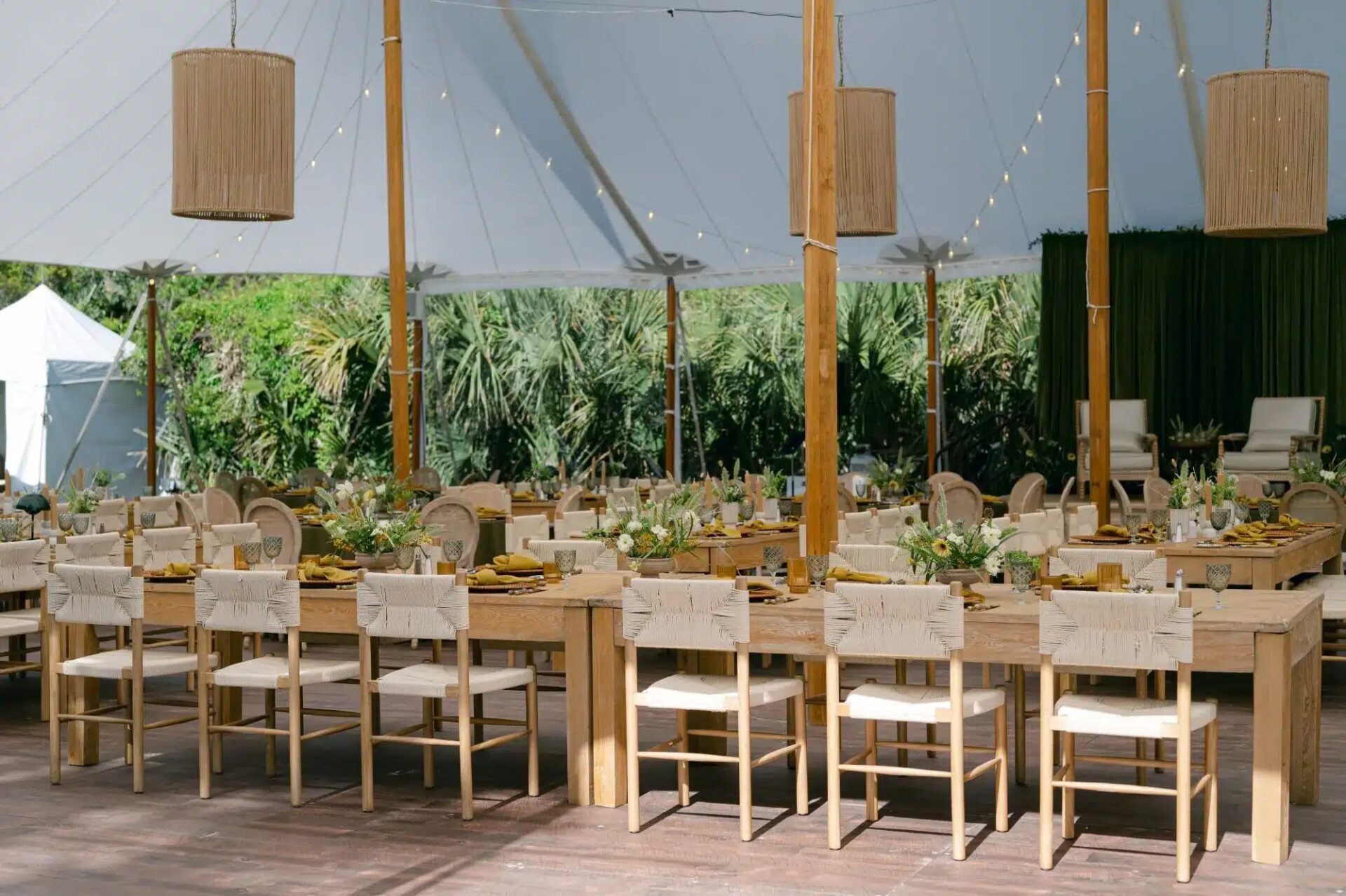
Tables and chairs for your Utah event selection involves style decisions that have real impact on the event’s visual character. Standard folding chairs and banquet tables produce a clean, functional aesthetic that works well with full linen coverage. Farm tables and crossback wooden chairs create the warm, textural look common at rustic Utah venues. Chiavari chairs paired with round tables produce a more formal, polished result. The style selection should be consistent with the venue and the event’s overall aesthetic rather than selected independently.
Linen sizing depends on the specific table dimensions — not on general round or rectangular categories. A 60-inch round table requires a different linen than a 72-inch round table for the same drop length. Confirming the exact table dimensions from the rental company before ordering linens prevents the mismatch that makes tables look awkward and linens look poorly fitted.
The Knot event planning resources cover table and chair rental logistics including who is responsible for setup and whether chair arrangement is included in the rental service or handled separately — a distinction worth confirming with any rental company before the event, since it affects staffing requirements on the setup day.
Delivery, Setup, and Breakdown Coordination
Delivery timing for tables and chairs should be among the first vendor logistics confirmed, because the furniture defines the floor plan that caterers, florists, and entertainment vendors arrange around. Venue access time, the window the rental company can deliver within, and the time needed for setup all need to be mapped against each other before event day.
Breakdown at the end of the event is the logistics detail most consistently planned last. Confirming the pickup window with both the rental company and the venue — when the rental company will arrive, when the venue requires everything out, and whether staff or the rental company is responsible for breaking down and stacking — prevents the end-of-night scramble of undirected breakdown.
Damage documentation at both delivery and return is worth doing systematically. Photographing all delivered items before setup and again at breakdown — noting any pre-existing damage at delivery — protects against charges for damage that existed before your rental period. Rental companies with clear condition documentation processes on both ends are demonstrating the operational transparency that makes the damage policy work fairly for both parties.
