
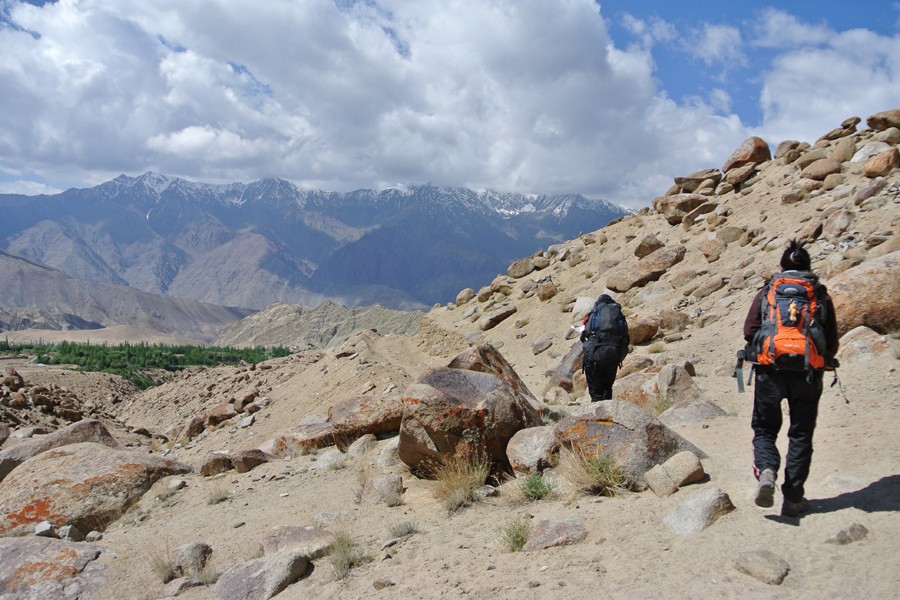
Introduction
Trekking and hiking remain at the heart of outdoor travel. As travelers seek meaningful connections with nature, walking trails through mountains, forests, and valleys provide immersive experiences unmatched by fast-paced tourism.
Trekking vs. Hiking – Understanding the Difference
While often used interchangeably, these experiences differ.
Hiking
Shorter, well-marked trails suitable for day trips and casual exploration.
Trekking
Multi-day journeys requiring endurance, navigation, and deeper engagement with terrain.
The Global Appeal of Trekking and Hiking
Outdoor walking experiences adapt to every culture and landscape.
Mountain Trails
High-altitude paths challenge physical limits while rewarding trekkers with dramatic views.
Cultural and Heritage Routes
Ancient trade routes and pilgrimage paths blend physical effort with historical storytelling.
Why Trekking Is More Than Physical Exercise
Trekking benefits body and mind.
-
Cardiovascular fitness
-
Mental clarity
-
Emotional resilience
Nature-driven movement enhances overall well-being.
Preparing for a Successful Trek or Hike
Preparation is essential.
Fitness and Conditioning
Endurance training, stretching, and elevation preparation reduce fatigue and injury.
Essential Gear Selection
Footwear, weather layers, hydration systems, and navigation tools ensure safety.
The Social Side of Trekking
Shared trails create community.
Trekkers form bonds through teamwork, shared challenges, and collective achievement.
Why Trekking and Hiking Remain Timeless
In a digital world, walking through nature reconnects travelers with simplicity, purpose, and self-awareness.
